
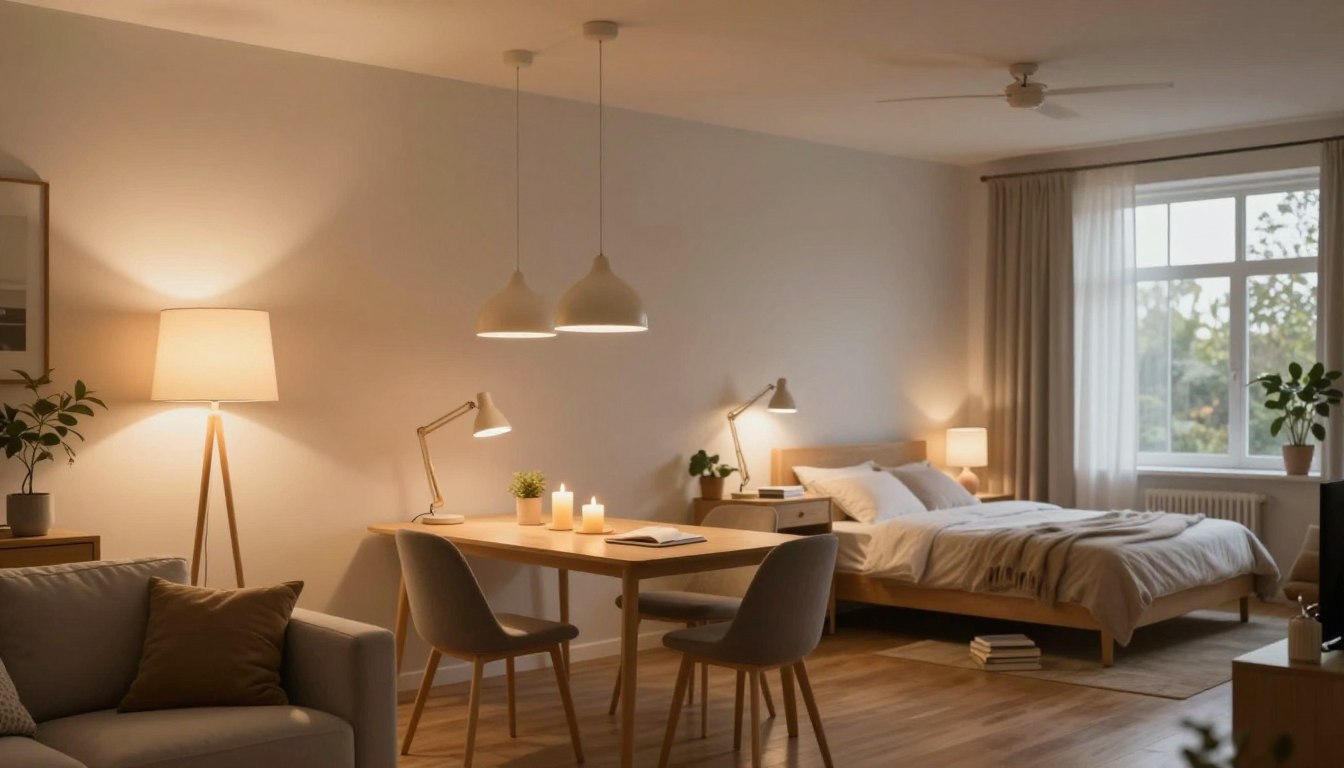
Have you ever entered a beautifully decorated space and felt that something was slightly off? It might not be furniture or paint color, but rather how an area is illuminated. This subtle detail often dictates if a guest feels welcome or stays distant.
Expert designers often explain that an interior lighting selection can completely transform a space’s appearance. It acts as an invisible thread that ties the decor together and sets a perfect mood for daily life.
Finding illumination design inspiration is essential for creating a space that is both functional and inviting. With many choices available today, making a perfect selection feels overwhelming without a clear plan or vision.
This residential fixture guide helps you navigate a complex world of bulbs and pendants. By understanding basics, you can turn dark corners into bright, stylish sanctuaries that reflect personal taste.
Key Takeaways
- Learn about three essential layers of illumination.
- Match specific fixtures with various household tasks.
- Utilize dimmers for better atmospheric control.
- Pick bulb temperatures enhancing color schemes.
- Focus on balancing natural and artificial sources.
- Select statement pieces that complement style.
Understanding the Three Essential Layers of Lighting
To achieve a well-lit and aesthetically pleasing atmosphere, it’s essential to understand the different layers of lighting. A comprehensive lighting plan involves three primary layers: ambient, task, and accent lighting. Each layer serves a distinct purpose and works together to create a harmonious and functional space.
Ambient Lighting: Your Foundation Layer
Ambient lighting provides the overall illumination for a room, setting the tone and mood. It is the foundation layer that makes it possible to navigate and perform general activities. Examples of ambient lighting fixtures include ceiling-mounted fixtures, recessed lighting, and sometimes even natural light from windows.
Task Lighting: Illuminating Specific Activities
Task lighting is designed to illuminate specific areas where tasks are performed, such as reading, cooking, or working. This type of lighting is typically brighter than ambient lighting and is directed at the task area. Examples include under-cabinet lighting in kitchens, desk lamps in home offices, and reading lamps beside chairs or beds.
Accent Lighting: Adding Visual Interest and Drama
Accent lighting is used to draw attention to specific features or objects within a room, such as artwork, architectural details, or decorative pieces. It adds depth and visual interest, creating a more dynamic atmosphere. Accent lighting can be achieved with track lighting, picture lights, or floor lamps.
| Lighting Layer | Purpose | Examples |
|---|---|---|
| Ambient Lighting | Provides overall illumination, sets tone and mood | Ceiling fixtures, recessed lighting, natural light |
| Task Lighting | Illuminates specific task areas | Under-cabinet lighting, desk lamps, reading lamps |
| Accent Lighting | Highlights specific features or objects | Track lighting, picture lights, floor lamps |
By understanding and incorporating these three essential layers of lighting, you can create a well-balanced and inviting atmosphere in any room. Effective use of ambient, task, and accent lighting not only enhances the functionality of a space but also adds to its aesthetic appeal, making it a more enjoyable place to be.
Essential Lighting Terminology and Measurements
To make informed decisions about lighting, it’s crucial to understand the terminology used in the industry. Lighting is not just about picking a bulb; it’s about creating the right ambiance and ensuring the space is well-lit for its intended purpose. Understanding key terms like lumens, watts, color temperature, and Color Rendering Index (CRI) will help you navigate the complex world of lighting.
Lumens vs Watts: Understanding Brightness Levels
The terms lumens and watts are often confused with each other, but they measure different aspects of lighting. Watts measure the amount of energy a bulb consumes, while lumens measure the actual brightness produced by the bulb. The higher the lumen rating, the brighter the light. To put this into perspective, a traditional 60W incandescent bulb is equivalent to an 800 lumens LED bulb.
When choosing lighting, focusing on lumens rather than watts ensures you’re getting the brightness you need. Here’s a simple comparison to illustrate the difference:
| Traditional Incandescent Wattage | LED Equivalent Lumens |
|---|---|
| 40W | 450 lumens |
| 60W | 800 lumens |
| 75W | 1100 lumens |
| 100W | 1600 lumens |
Color Temperature: From Warm to Cool White
Light bulbs come in different color temperatures, ranging from warm (yellowish) to cool (bluish) light. Warm white light creates a cozy and relaxing atmosphere, ideal for living rooms and bedrooms, typically ranging from 2700K to 3000K. On the other hand, cool white light, often between 3500K to 5000K, is more energizing and suitable for task-oriented areas like kitchens and offices.
Color Rendering Index and Why It Matters
The Color Rendering Index (CRI) is a measure of how well a light source displays the colors of objects compared to natural light. A high CRI means that the light will render colors more accurately, making it ideal for areas where color precision is important, such as art studios or dressing rooms. For most homes, a CRI of 80 or higher is recommended.
Understanding these essential lighting terms will empower you to make better decisions when selecting lighting for your home, ensuring that you achieve the perfect balance between functionality and ambiance.
How to Choose the Right Lighting for Every Room in Your Home: A Step-by-Step Process
To create a lighting plan that meets your needs, it’s essential to understand the specific requirements of each room in your home. This involves considering various factors that influence the type and amount of lighting needed.
Assess Your Room’s Function and Activities
The first step in choosing the right lighting is to assess the function of the room and the activities that will take place there. Different rooms have different lighting needs; for example, a kitchen requires brighter lighting for cooking and food preparation, while a bedroom needs softer lighting for relaxation.
Consider the various tasks that will be performed in the room and the level of lighting required for each task. This will help you determine the type and number of light sources needed.
Evaluate Natural Light Sources
Natural light is an essential factor in determining the lighting needs of a room. Evaluate the amount of natural light the room receives and how it varies throughout the day. This will help you decide how much artificial lighting is required to supplement the natural light.
Determine Your Lighting Needs by Layer
As discussed earlier, lighting is typically layered into ambient, task, and accent lighting. Determine the specific needs of each layer for your room. For example, a living room may require ambient lighting for overall illumination, task lighting for reading, and accent lighting to highlight decorative features.
Consider Room Size and Ceiling Height
The size of the room and the height of the ceiling are critical factors in determining the appropriate lighting fixtures and their placement. Larger rooms or those with higher ceilings may require more or larger fixtures to achieve adequate lighting.
| Room Size | Ceiling Height | Recommended Lighting Approach |
|---|---|---|
| Small (less than 100 sq. ft.) | Low (less than 8 ft.) | Use compact fixtures and minimize layers |
| Medium (100-200 sq. ft.) | Standard (8-10 ft.) | Balance ambient and task lighting |
| Large (more than 200 sq. ft.) | High (more than 10 ft.) | Employ multiple layers and consider higher wattage or more fixtures |
By following these steps and considering the unique characteristics of each room, you can create a comprehensive lighting plan that enhances the functionality and ambiance of your home.
Comparing Light Bulb Types and Their Best Uses
Choosing the perfect light bulb involves understanding the different types available and their specific applications. With the variety of lighting options on the market, it’s crucial to consider factors such as energy efficiency, lifespan, and the ambiance you want to create in your space.
Let’s examine the characteristics, advantages, and best uses of popular light bulb types to help you make informed decisions for your lighting needs.
LED Bulbs: The Modern Standard
LED bulbs have become the modern standard in lighting due to their numerous benefits. They use significantly less power than traditional incandescent bulbs, with LEDs using 5 to 10 times less power and having a service life of 15,000 to 50,000 hours. This makes them a cost-effective and environmentally responsible option.
- Energy-efficient
- Long lifespan
- Dimmable options available
- Environmentally friendly
LEDs are versatile and can be used in a variety of settings, from residential to commercial spaces. They are particularly well-suited for areas that require bright, focused lighting, such as kitchens and reading nooks.
Halogen Bulbs: Bright and Focused Light
Halogen bulbs are known for their bright, white light and are often used where intense illumination is needed. They are a type of incandescent bulb that contains a halogen gas, which extends their lifespan compared to traditional incandescent bulbs.
Halogen bulbs are ideal for task lighting, such as under-cabinet lighting in kitchens or for reading lamps. However, they are less energy-efficient than LEDs and have a shorter lifespan.
Smart Bulbs and Connected Lighting
Smart bulbs represent a significant advancement in lighting technology, offering the ability to control your lighting remotely through smartphone apps or voice assistants. These bulbs can be programmed to turn on and off at specific times, adjust brightness, and even change color.
Smart bulbs are perfect for those looking to integrate their lighting into their smart home systems. They offer convenience, energy efficiency, and the ability to create customized lighting scenes for different occasions.
When choosing between these bulb types, consider your specific lighting needs, including the desired level of brightness, color temperature, and any smart features you might require. By selecting the right bulb for each application, you can create a well-lit and inviting home.
Selecting the Best Lighting Fixtures for Your Space
To create a well-lit and inviting space, it’s essential to select lighting fixtures that are both functional and aesthetically pleasing. The right lighting fixture can elevate the ambiance of a room, making it more comfortable and visually appealing.
Every indoor fixture has specific features, in terms of both look and functionality. Some fixtures are better suited to a given space than others because of the type of lighting they provide. Let’s explore the various types of lighting fixtures and their characteristics.
Chandeliers and Statement Pendant Lights
Chandeliers and statement pendant lights are not just sources of light; they are also decorative pieces that can add a touch of elegance to any room. Chandeliers are particularly effective in dining rooms and entryways, where they can create a grand first impression. Statement pendant lights, on the other hand, can be used in various rooms, including kitchens and living rooms, to add a focal point.
Recessed Lighting and Track Systems
Recessed lighting is a popular choice for modern homes due to its sleek and unobtrusive design. It is ideal for providing ambient lighting and can be used in conjunction with other light sources to create a layered lighting effect. Track lighting systems offer flexibility, allowing you to direct light exactly where it’s needed, making them perfect for task lighting and highlighting specific areas or objects.
Wall Sconces and Flush Mount Fixtures
Wall sconces are versatile fixtures that can be used to provide both ambient and task lighting. They are particularly useful in hallways, bedrooms, and bathrooms. Flush mount fixtures are another option for rooms with lower ceilings, providing a sleek and streamlined look while delivering effective general lighting.
Portable Lighting: Floor and Table Lamps
Portable lighting, including floor and table lamps, offers the flexibility to direct light where it’s needed most. These lamps are perfect for task lighting, reading nooks, and adding warmth to a room. They come in a wide range of styles, making it easy to find ones that match your décor.
By understanding the characteristics and benefits of different lighting fixtures, you can make informed decisions to create a lighting design that is both functional and inspiring, ultimately enhancing your room lighting ideas and overall lighting design inspiration.
Living Room Lighting Ideas: Creating a Multi-Functional Space
To brighten your home, start with the living room, where layered lighting can make a significant impact. A well-designed lighting plan can transform this space into a cozy retreat that accommodates various activities, from relaxation to entertainment.
Combining Overhead and Ambient Sources
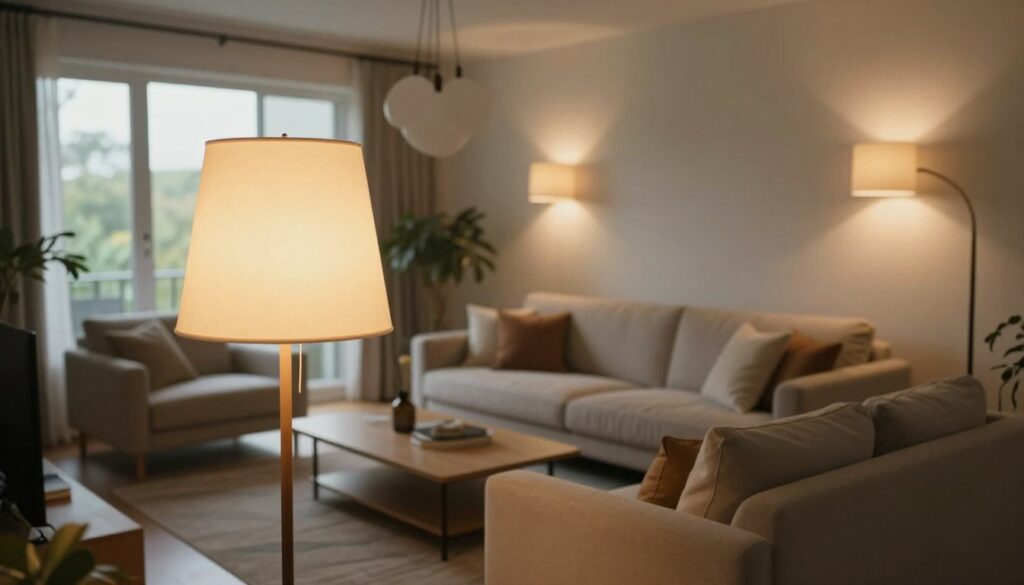
A combination of overhead lighting and ambient sources can create a warm and inviting atmosphere. Consider using a chandelier or a stylish pendant light as your primary overhead fixture, supplemented by table lamps or floor lamps to add warmth and depth.
For instance, a bright overhead light can be balanced with softer ambient lighting from table lamps, creating a cozy feel without harsh shadows.
Reading Nooks and Task Areas
Task lighting is crucial for reading nooks and other specific activities within the living room. Floor lamps with adjustable arms can be directed at reading areas, providing focused light exactly where it’s needed.
When designing reading nooks, consider the comfort and functionality of the space. A comfortable chair, a side table, and a good reading light can make a cozy retreat.
Highlighting Artwork and Architectural Features
Accent lighting can be used to draw attention to artwork, architectural features, or decorative elements in the living room. Picture lights or wall sconces can be used to highlight these features, adding depth and visual interest.
“Lighting can dramatically change the ambiance of a room. By highlighting certain features, you can create a focal point that draws the eye and adds character to the space.”
Dimmer Switches for Flexible Ambiance
Installing dimmer switches can greatly enhance the flexibility of your living room lighting. By adjusting the brightness, you can easily change the ambiance of the room to suit different occasions or moods.
A dimmer switch allows you to adjust the lighting level to create the perfect atmosphere, whether you’re hosting a dinner party or enjoying a quiet evening at home.
| Lighting Type | Purpose | Examples |
|---|---|---|
| Ambient | General illumination | Ceiling fixtures, table lamps |
| Task | Specific activities | Floor lamps, desk lamps |
| Accent | Highlighting features | Picture lights, wall sconces |
Kitchen Lighting Guide: Balancing Safety and Style
A well-lit kitchen is not just about aesthetics; it’s also about safety and functionality. The kitchen is one of the most critical areas of the home where lighting plays a vital role in both ambiance and task performance.
To achieve a balanced lighting scheme, it’s essential to consider multiple layers of lighting. This includes general ceiling lighting, task lighting for specific areas like countertops and cooking stations, and accent lighting to highlight architectural features or decorative elements.
General Ceiling Lighting Layout
The foundation of kitchen lighting starts with general ceiling lighting. This layer provides overall illumination and helps to create a welcoming atmosphere. For most kitchens, a combination of recessed lighting and a central fixture works well. Recessed lights can be evenly spaced across the ceiling to provide comprehensive coverage, while a central fixture, such as a stylish chandelier or pendant light, adds a decorative touch.
When planning your ceiling lighting layout, consider the size of your kitchen and the height of your ceiling. Larger kitchens or those with higher ceilings may require additional fixtures to ensure adequate lighting.
Under-Cabinet LED Strip Lighting
Under-cabinet lighting is a crucial element in kitchen lighting design, serving both functional and aesthetic purposes. LED strip lighting is particularly popular for this application due to its energy efficiency, flexibility, and ease of installation.
By illuminating countertops and cooking areas, under-cabinet lighting enhances task visibility, reducing eye strain and improving safety while preparing meals. It also creates a warm and inviting ambiance, highlighting the kitchen’s design features.
Pendant Lights Over Islands and Counters
Pendant lights are a stylish and effective way to provide task lighting over kitchen islands and counters. They come in a variety of styles, from modern and sleek to traditional and ornate, allowing homeowners to choose fixtures that complement their kitchen’s décor.
When selecting pendant lights, consider the height at which they will be hung. Typically, pendant lights should be suspended between 30 and 36 inches above the countertop to provide adequate lighting without obstructing the view or creating glare.
Pantry and Cabinet Interior Lighting
Lighting inside pantries and cabinets can significantly enhance the functionality of these storage spaces. It not only makes it easier to find items but also adds to the overall brightness and welcoming feel of the kitchen.
For pantry and cabinet interior lighting, consider using LED lights or puck lights, which are easy to install and provide focused illumination. These can be battery-operated or hardwired, depending on your preference and the specific requirements of your kitchen.
By incorporating these various lighting elements, homeowners can create a kitchen that is both beautiful and functional, meeting their needs for safety, style, and efficiency.
Bedroom Lighting Selection for Comfort and Function
When it comes to bedroom lighting, comfort and function should be top priorities. The bedroom should be a sanctuary for relaxation, so opting for soft lighting that promotes a calming environment is essential. Bedside lamps, wall sconces, and dimmable lights are excellent choices for creating a serene ambiance.
Central Ceiling Fixtures and Alternatives
The central ceiling fixture is often the primary source of light in a bedroom. However, it’s not the only option. Consider using a stylish chandelier or a flush mount fixture to provide ambient lighting. For a more modern look, you can opt for a sleek ceiling panel light or a semi-flush mount fixture.
Alternatively, you can use pendant lights or recessed lighting to create a unique lighting scheme. These alternatives can add visual interest and provide additional lighting layers to your bedroom.
Bedside Table Lamps and Reading Lights
Bedside table lamps are a staple in bedroom lighting. They provide task lighting for reading and other activities, while also adding to the overall ambiance. When choosing bedside lamps, consider the style, size, and type of light they emit. For reading, look for lamps with adjustable arms and high CRI (Color Rendering Index) to ensure clear visibility.
Reading lights can also be integrated into the bed frame or placed on the wall as sconces. These provide focused lighting exactly where it’s needed, reducing eye strain and promoting comfort.
Closet and Wardrobe Illumination
Adequate closet and wardrobe lighting is often overlooked but is crucial for functionality. Installing LED strip lights or puck lights inside closets can provide bright, energy-efficient lighting. For wardrobes, consider using motion-sensor lights or lights with automatic shut-off to conserve energy.
Creating a Relaxing Atmosphere with Dimmers
Dimmers are a versatile tool for creating a relaxing atmosphere in the bedroom. By adjusting the light levels, you can tailor the ambiance to your needs, whether you’re reading, watching TV, or simply unwinding. Dimmers can be used with various light sources, including LED bulbs, halogen bulbs, and smart bulbs.
To create a truly relaxing environment, consider layering your lighting. Combine ambient, task, and accent lighting to achieve a balanced and inviting atmosphere. With the right lighting, your bedroom can become a true sanctuary.
Bathroom Lighting Tips for Optimal Visibility
Achieving optimal visibility in the bathroom is crucial for both functionality and safety, and it all starts with the right lighting. The bathroom is a unique space that requires careful consideration of lighting needs due to its high moisture levels and the variety of tasks performed there.
Good lighting in the bathroom not only enhances the aesthetic appeal but also ensures that the space is safe and comfortable to use. It is essential to understand the different aspects of bathroom lighting to make informed decisions.
Vanity Lighting: Placement and Fixture Types
Vanity lighting is a critical component of bathroom lighting. It is essential for tasks such as grooming and applying makeup. To minimize shadows, it’s recommended to use lighting fixtures around the vanity area.
Placement Tips:
- Install lights on either side of the mirror, at eye level, to reduce shadows on the face.
- Avoid placing lights too high or too low, as this can create unflattering shadows.
- Consider using LED light strips under or around the mirror for additional illumination.
Choosing the Right Fixture: Opt for fixtures that provide good ambient lighting and are designed for damp locations. Popular options include sconces, LED mirrors, and lighted medicine cabinets.
Shower and Bathtub Area Requirements
Lighting in the shower and bathtub areas must be carefully planned to ensure safety and comfort. These areas are exposed to water, making it crucial to select fixtures that are rated for wet locations.
Safety First: Use fixtures with appropriate IP (Ingress Protection) ratings to withstand exposure to water. IP67 or higher is recommended for areas directly exposed to water.
| Area | Recommended Lighting | IP Rating |
|---|---|---|
| Shower Area | Recessed lights or waterproof LED strips | IP67 or higher |
| Bathtub Area | Recessed lights or waterproof fixtures | IP65 or higher |
Understanding Wet and Damp Location Ratings
Understanding the difference between wet and damp location ratings is crucial for selecting the right lighting fixtures for your bathroom.
Wet Locations: Areas directly exposed to water, such as inside showers or above bathtubs, require fixtures rated for wet locations.
Damp Locations: Areas that are prone to moisture but not directly exposed to water, such as near sinks or in bathrooms without direct water spray, require fixtures rated for damp locations.
“The right lighting can make a significant difference in the functionality and ambiance of the bathroom. By choosing fixtures that are appropriate for the specific conditions of each area, homeowners can ensure both safety and style.”
By following these bathroom lighting tips, you can create a space that is not only visually appealing but also safe and functional. Whether you’re renovating your bathroom or just updating the lighting, considering the specific needs of each area will help you achieve optimal visibility and comfort.
Dining Room Lighting Design for Every Occasion
A well-designed dining room lighting scheme can elevate your dining experience, making it more enjoyable and memorable. The key to achieving this lies in understanding the different layers of lighting and how they can be combined to create the perfect ambiance for various occasions.
Choosing the Right Chandelier Size and Height
The chandelier is often the centerpiece of dining room lighting. Choosing the right size and height is crucial for both aesthetics and functionality. For dining rooms, it’s recommended to select a fixture that covers approximately half the length of the table. In terms of placement, setting the bottom of the pendant 30 to 34 inches above the table ensures optimum lighting.
To illustrate the ideal chandelier dimensions for different table sizes, consider the following table:
| Table Length (inches) | Ideal Chandelier Diameter (inches) | Recommended Height Above Table (inches) |
|---|---|---|
| 60 | 30-36 | 30-34 |
| 72 | 36-42 | 30-34 |
| 96 | 48-54 | 30-34 |
Supplementary Wall and Buffet Lighting
In addition to a central chandelier, supplementary lighting can enhance the overall ambiance of the dining room. Wall sconces or buffet lamps can provide additional light where needed and create a layered lighting effect. This not only adds visual interest but also helps in highlighting specific areas or features within the room.
Creating Ambiance with Adjustable Brightness
Being able to adjust the brightness of your dining room lighting is essential for creating the right ambiance for different occasions. Dimmer switches are a practical solution, allowing you to easily adjust the light levels. Whether you’re hosting a formal dinner or a casual family meal, adjustable lighting can help set the tone.
By carefully considering the size and height of your chandelier, incorporating supplementary lighting, and utilizing dimming capabilities, you can create a dining room lighting design that is both functional and aesthetically pleasing for every occasion.
Home Office Lighting to Enhance Productivity
A well-designed lighting plan for your home office is essential for enhancing focus and reducing eye strain. Effective lighting can transform your workspace into a productive haven.
Positioning Task Lighting at Your Desk
Task lighting is vital for activities that require focused light, such as reading or working on a computer. A desk lamp is a prime example of task lighting, providing direct illumination where it’s needed most.
When positioning task lighting at your desk, consider the type of work you’ll be doing. For computer-based tasks, place the light source in a way that minimizes glare on the screen. For reading or writing, ensure the light is bright enough to illuminate your work without causing eye strain.
Key considerations for task lighting include:
- Adjustability: The ability to direct the light where it’s needed.
- Brightness: Sufficient lumens to illuminate the task area.
- Color temperature: A temperature that promotes focus and comfort.
Minimizing Computer Screen Glare
Glare on computer screens can be a significant distraction and cause for eye strain. To minimize glare, position your computer in a way that avoids direct light sources. Using a lamp with a shade or adjusting the screen’s angle can also help.
As noted by lighting experts, “The position of your light sources can greatly affect the amount of glare on your computer screen.”
“Proper placement of task lighting can reduce eye strain and improve overall productivity.”
Balancing Natural and Artificial Light
Balancing natural and artificial light is crucial for creating a comfortable and productive home office. Natural light is ideal, but it’s not always available, especially during evening hours or in rooms with limited window space.
| Lighting Type | Benefits | Considerations |
|---|---|---|
| Natural Light | Boosts mood, reduces eye strain | Dependent on time of day and window orientation |
| Artificial Light | Provides consistent illumination, adjustable | Can be harsh if not chosen correctly |
To achieve a balance, use sheer curtains to diffuse natural light during the day and supplement with artificial lighting as needed. For evening work, rely on a combination of ambient and task lighting to create a comfortable environment.
By carefully considering task lighting, minimizing glare, and balancing natural and artificial light, you can create a home office environment that enhances your productivity and overall well-being.
Brightening Hallways, Entryways, and Staircases
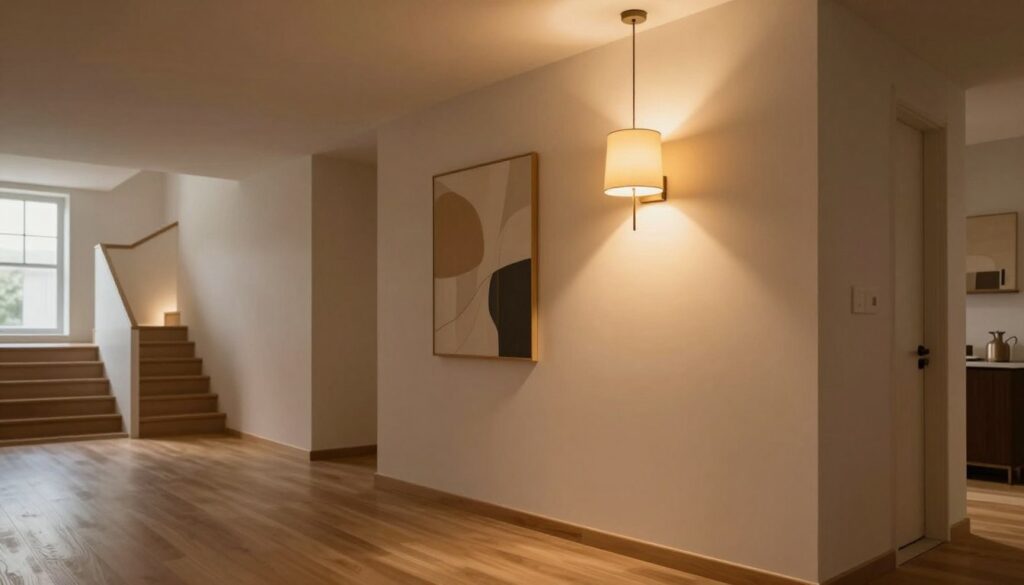
Hallways, entryways, and staircases are more than just transitional spaces; they require thoughtful lighting to elevate their functionality and appeal. Strategic lighting can also be used to highlight your home’s unique architectural features and décor, drawing attention to your favorite pieces.
Safety-Focused Pathway Illumination
Proper lighting in hallways and staircases is crucial for safety. It helps prevent accidents by illuminating steps and changes in floor level. Recessed lighting or track lighting can be effective solutions for providing overall illumination.
For staircases, consider installing lights that illuminate each step or using a strip lighting system under the stairs to create a well-lit pathway. This not only enhances safety but also adds a modern touch to the staircase.
Making an Impression with Entry Lighting
The entryway is the first impression guests have of your home, making its lighting particularly important. Pendant lights or chandeliers can be used to create a welcoming ambiance. The size and style of the lighting fixture should complement the entryway’s décor and scale.
Consider layering lighting in the entryway with a combination of overhead lighting and table lamps or sconces to create a warm and inviting atmosphere.
Staircase Lighting Solutions and Code Requirements
When it comes to staircase lighting, it’s essential to comply with local building codes and safety standards. Typically, codes require that stairways be illuminated to prevent slipping hazards. Step lights or recessed lights positioned to shine down the stairs can meet these requirements.
In addition to safety, consider the aesthetic impact of your staircase lighting. LED strip lighting under the handrail or along the stair treads can add a dramatic effect and create a sense of depth.
Common Lighting Mistakes and How to Avoid Them
Proper lighting can make or break the ambiance of a room, and avoiding common mistakes is key to achieving the perfect glow. Lighting is not just about illuminating a space; it’s about creating an atmosphere that is both functional and aesthetically pleasing.
Many homeowners make critical errors when it comes to lighting their homes, often resulting in spaces that feel either harshly lit or dimly lit. By understanding these common mistakes, you can take steps to avoid them and create a more inviting and functional living environment.
Relying on a Single Overhead Light Source
Using a single overhead light source can lead to harsh shadows and an uninviting atmosphere. A layered lighting approach, which includes ambient, task, and accent lighting, can help create a more balanced and welcoming space.
For instance, combining overhead lighting with table lamps or floor lamps can add depth and visual interest to a room. This approach not only enhances the aesthetic appeal but also improves the functionality of the space.
Installing Fixtures at Incorrect Heights
The height at which lighting fixtures are installed can significantly impact their effectiveness and the overall ambiance of a room. Incorrectly installed fixtures can lead to glare, harsh shadows, or insufficient lighting.
For example, pendant lights over kitchen islands should be hung at a height that provides adequate lighting without obstructing the view or causing glare. Similarly, table lamps should be proportionate to the furniture and placed in a way that they provide sufficient task lighting.
Choosing the Wrong Color Temperature for the Space
The color temperature of lighting can dramatically affect the ambiance of a room. Warm white light (2700K-3000K) is often used in living areas to create a cozy atmosphere, while cool white light (3500K-5000K) is more suitable for task-oriented areas like kitchens and bathrooms.
Choosing the right color temperature depends on the room’s purpose and the desired ambiance. For instance, a bedroom might benefit from warm white lighting to promote relaxation, whereas a home office might require cool white lighting to enhance focus.
Overlooking the Importance of Dimming Capability
Dimming capability allows for greater control over the lighting levels in a room, enabling you to adjust the ambiance according to different activities or times of day. Dimmers can significantly enhance the flexibility and functionality of your lighting system.
Installing dimmer switches or using smart bulbs with dimming capabilities can make a substantial difference in creating a versatile and comfortable living environment. This feature is particularly useful in spaces that serve multiple purposes, such as living rooms or dining areas.
Conclusion
Effective interior lighting selection is crucial in creating a comfortable and inviting environment that reflects your personal style. By understanding the basics of lighting types, including ambient, task, and accent lighting, you can make informed decisions when choosing fixtures and bulbs for each space in your home.
Throughout this guide, we’ve explored various aspects of lighting design inspiration, from essential terminology and measurements to selecting the right lighting for every room. We’ve also discussed common lighting mistakes to avoid, ensuring that your lighting design is both functional and aesthetically pleasing.
By applying the knowledge gained from this guide, you can enhance your living spaces, creating a warm and welcoming atmosphere that suits your needs. Whether you’re looking to update a single room or your entire home, thoughtful interior lighting selection is key to achieving your desired ambiance and functionality.
With these insights, you’re now equipped to tackle your lighting projects with confidence, bringing your vision to life through effective lighting design inspiration.