
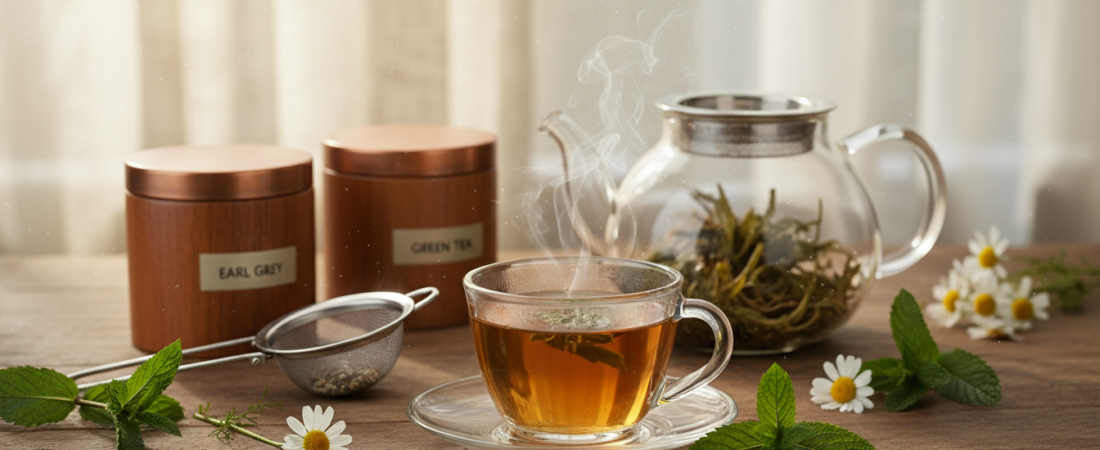
Are you tired of the same old tea experience? Do you crave a richer, more flavorful cup? Loose leaf tea offers a more complex flavor profile compared to traditional bagged tea, making it a game-changer for tea enthusiasts.
Loose leaf tea is made from whole tea leaves that are not constrained by tea bags, allowing the leaves to unfurl and release their full flavor potential. This results in a more satisfying and aromatic tea experience.
The benefits of loose leaf tea extend beyond its superior taste. It also boasts higher antioxidant content and environmental benefits, making it a more sustainable choice.
Key Takeaways
- Loose leaf tea provides a richer, more flavorful experience.
- It is made from whole tea leaves, allowing for a more complex flavor profile.
- Loose leaf tea has higher antioxidant content.
- It is a more sustainable and environmentally friendly option.
- Loose leaf tea offers a more satisfying and aromatic tea experience.
Why Your Tea Choice Actually Matters More Than You Think
Your daily cup of tea is more than just a habit; it’s a choice that affects your health in multiple ways. Tea is one of the most popular beverages worldwide, enjoyed for its diverse flavors, varieties, and numerous health benefits. The type of tea you choose can significantly impact your exposure to antioxidants, caffeine, and other nutrients.
When deciding between loose leaf tea and tea bags, it’s essential to consider the differences that can affect your health. Loose leaf tea is often considered a healthier option due to its higher antioxidant content and lower risk of microplastics compared to tea bags.
Comparison of Loose Leaf Tea and Tea Bags
| Characteristics | Loose Leaf Tea | Tea Bags |
|---|---|---|
| Antioxidant Content | Higher | Lower |
| Microplastics Risk | Lower | Higher |
| Flavor Variety | More diverse | Limited |
The choice between loose leaf tea and tea bags not only affects your health but also your tea-drinking experience. Loose leaf tea offers a more nuanced flavor profile and aroma, enhancing the overall enjoyment of your tea.
Understanding the implications of your tea choice can lead to a more satisfying and healthier tea-drinking experience. By opting for loose leaf tea, you’re not only potentially increasing your antioxidant intake but also exploring a richer world of flavors.
In conclusion, the decision to choose loose leaf tea over tea bags or vice versa should be informed by the differences in quality, health benefits, and overall experience they offer.
What is Loose Leaf Tea and Why Does It Matter?
For tea enthusiasts, loose leaf tea is the ultimate choice, providing an experience that tea bags simply can’t match. Loose leaf tea is made from whole tea leaves that are not constrained by tea bags, allowing for a more complex flavor profile and higher antioxidant content.
The Basic Definition of Loose Leaf Tea
Loose leaf tea is defined by its form: whole leaves that are not confined to tea bags. This format allows the leaves to unfurl during brewing, releasing a richer and more nuanced flavor. The quality of loose leaf tea is often superior because it typically involves higher-quality leaves that are carefully processed to preserve their natural flavor and aroma.
How Loose Leaf Tea Differs from Commercial Tea Products
Commercial tea products, such as tea bags, often contain broken leaves and dust, which can result in a less flavorful brew. In contrast, loose leaf tea is made from whole leaves, which provide a more satisfying taste experience. The difference in quality is not just about taste; it also extends to the nutritional content. Loose leaf tea generally contains more antioxidants than tea bags because the whole leaves retain more of their natural goodness.
| Characteristics | Loose Leaf Tea | Commercial Tea Bags |
|---|---|---|
| Leaf Quality | Whole leaves | Broken leaves and dust |
| Flavor Profile | Complex and nuanced | Less flavorful |
| Antioxidant Content | Higher | Lower |
The table above highlights the key differences between loose leaf tea and commercial tea bags, demonstrating why loose leaf tea is considered the superior choice for those seeking a richer tea experience.
Loose Leaf Tea vs Tea Bags: The Quality Gap You Need to Know
The quality gap between loose-leaf tea and tea bags is rooted in their processing methods and the quality of the tea leaves used. Understanding these differences is crucial for appreciating the value of loose-leaf tea.
What Actually Goes Into Tea Bags (And Why It’s Not Great)
Tea bags often contain lower-quality tea leaves, including broken leaves and dust. This not only affects the flavor but also the nutritional value of the tea. The use of such materials in tea bags results in a less satisfying cup compared to loose-leaf tea.
Key components of tea bags:
- Broken tea leaves
- Tea dust
- Lower-grade tea varieties
The Processing Difference That Changes Everything
The processing of loose-leaf tea is typically more gentle than that of tea bags. Loose-leaf tea is allowed to retain its natural shape and structure, which contributes to a more complex flavor profile. In contrast, tea bags are often filled with tea that has been crushed or torn, accelerating the loss of flavors and nutrients.
Why Leaf Size and Grade Matter for Your Cup
The size and grade of tea leaves significantly impact the brewing experience. Larger, whole leaves allow for better infusion and release of flavors. The grade of tea, which refers to the quality and size of the leaves, is a critical factor in determining the overall quality of the tea.
| Tea Type | Leaf Size | Grade | Flavor Profile |
|---|---|---|---|
| Loose Leaf | Whole leaves | High | Complex, nuanced |
| Tea Bags | Broken, dust | Low | Flat, less flavorful |
In conclusion, the differences between loose-leaf tea and tea bags are not just about convenience; they significantly affect the quality and enjoyment of your tea. By choosing loose-leaf tea, you can experience a richer, more satisfying cup.
The Undeniable Benefits of Choosing Loose Leaf Tea
For those seeking a richer tea experience, loose-leaf tea presents an unbeatable combination of flavor, nutrition, and sustainability. The benefits of choosing loose-leaf tea are multifaceted, making it a superior choice for tea enthusiasts.
Superior Flavor and Aroma You Can Actually Taste
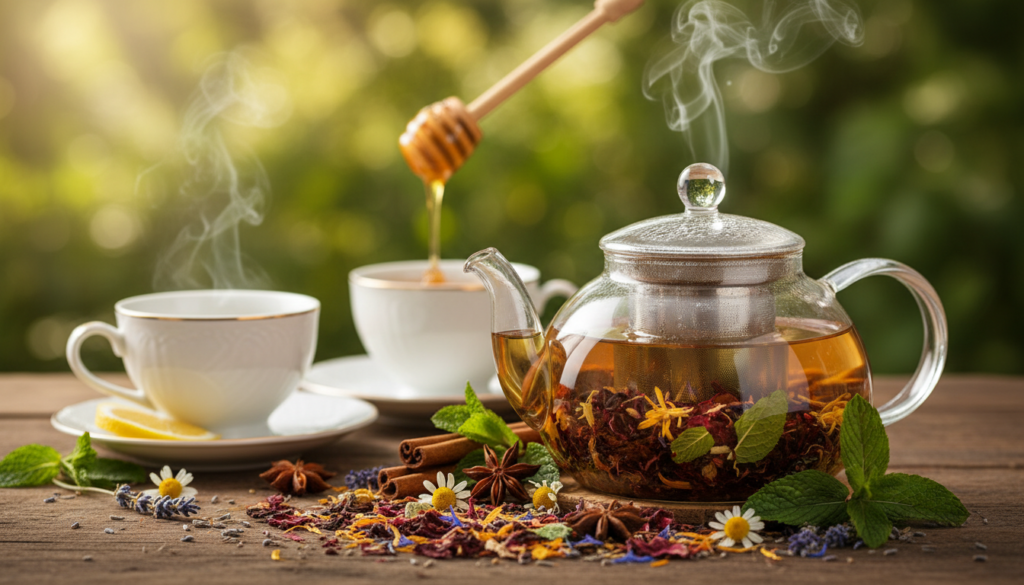
Loose-leaf tea offers a more complex and nuanced flavor profile compared to tea bags. This is because loose-leaf tea leaves are allowed to unfurl fully during brewing, releasing a richer and more aromatic flavor. The superior flavor and aroma of loose-leaf tea make it a delight for the senses.
More Antioxidants and Nutrients Per Cup
Loose-leaf tea contains more antioxidants and nutrients than tea bags. The higher quality leaves used in loose-leaf tea are less processed, preserving more of the natural goodness. This means that every cup of loose-leaf tea is packed with more health benefits.
| Tea Type | Antioxidant Content | Nutrient Level |
|---|---|---|
| Loose Leaf Tea | High | High |
| Tea Bags | Low | Low |
Environmental Benefits That Make a Real Difference
Choosing loose-leaf tea also has significant environmental benefits. Loose-leaf tea reduces waste by minimizing packaging and eliminating the need for individual tea bags. This makes it a more sustainable option for environmentally conscious consumers.
In conclusion, the benefits of loose-leaf tea are undeniable. From its superior flavor and aroma to its higher antioxidant content and environmental benefits, loose-leaf tea is the clear winner for those seeking a more authentic and sustainable tea experience.
Understanding the Rich World of Loose Leaf Tea Flavors
Exploring loose-leaf tea flavors is like embarking on a journey around the world, with each type offering a unique taste experience. Loose-leaf tea comes in a variety of flavors, including black, green, white, oolong, and specialty teas, catering to diverse tastes and preferences.
Classic Black Tea Varieties Worth Exploring
Black tea is a staple in many tea-drinking cultures, known for its robust flavor and rich aroma. Some classic black tea varieties worth trying include:
- Assam tea, known for its malty flavor and bright copper color.
- Darjeeling tea, often referred to as the “champagne of teas” for its light, floral taste.
- Ceylon tea, which offers a balanced flavor with hints of spice and citrus.
Green Tea Options Beyond the Basics
Green tea is renowned for its health benefits and delicate flavor profile. Beyond the basic sencha and dragonwell, there are numerous green tea options to explore:
- Matcha, a powdered green tea used in Japanese tea ceremonies, known for its rich, umami flavor.
- Gyokuro, a shaded green tea with a sweet, complex taste.
- Pi Lo Chun, a Chinese green tea with a delicate, fruity flavor.
White, Oolong, and Specialty Teas to Try
Beyond black and green tea, there are other fascinating types to discover. White tea is the least processed and offers a light, subtle taste. Oolong tea is partially fermented, providing a complex flavor profile that ranges from floral to fruity. Specialty teas, such as Chai and Rooibos, offer unique taste experiences with their blend of spices and herbs.
Whether you’re a seasoned tea enthusiast or just beginning your tea journey, the world of loose-leaf tea flavors has something to offer. With so many varieties to explore, you’re sure to find a tea that suits your taste preferences.
How to Brew Loose Leaf Tea the Right Way
To unlock the full flavor and aroma of loose leaf tea, you need to brew it correctly. Brewing loose leaf tea is a straightforward process that requires some basic knowledge and the right tools.
Essential Tools You’ll Need to Get Started
Before you start brewing, it’s essential to have the right equipment. The most critical tools include a tea infuser or strainer and a teapot. A tea infuser allows the tea leaves to unfurl and release their flavors, while a teapot provides the necessary space for the tea to brew evenly.
Other useful tools include a tea thermometer to measure the water temperature and a timer to ensure the perfect steeping time. While not mandatory, these tools can significantly enhance your brewing experience.
Water Temperature and Steeping Time Guidelines
The temperature of the water and the steeping time are crucial factors in brewing loose leaf tea. Different types of tea require different temperatures and steeping times. Here’s a general guideline:
| Tea Type | Water Temperature (°F) | Steeping Time (minutes) |
|---|---|---|
| Black Tea | 200-212 | 3-5 |
| Green Tea | 160-170 | 2-3 |
| White Tea | 150-160 | 2-3 |
| Oolong Tea | 180-200 | 3-5 |
Common Brewing Mistakes to Avoid
Even with the right tools and guidelines, brewing loose leaf tea can go wrong if you’re not careful. Here are some common mistakes to avoid:
- Insufficient tea leaves: Using too little tea can result in a weak or under-extracted brew.
- Incorrect water temperature: Using water that’s too hot or too cold can affect the flavor and aroma of the tea.
- Over-steeping: Steeping the tea for too long can make it bitter and unpalatable.
- Not preheating the teapot: Failing to preheat the teapot can lower the water temperature, affecting the brewing process.
By avoiding these common mistakes and following the guidelines for brewing loose leaf tea, you can enjoy a perfect cup every time.
Loose Leaf Tea for Health: What Science Actually Says
Loose leaf tea has been a staple in many cultures for centuries, and recent studies have shed light on its numerous health benefits. The science behind loose leaf tea’s health benefits is backed by research, making it a great choice for those looking to improve their health.
One of the key reasons loose leaf tea stands out is its high antioxidant content. Antioxidants play a crucial role in protecting the body against free radicals, which can cause chronic diseases such as heart disease, diabetes, and certain cancers. Loose leaf tea, particularly green tea, is rich in catechins, a type of antioxidant that has been shown to have numerous health benefits.
Proven Health Benefits Backed by Research
Research has shown that drinking loose leaf tea can have numerous health benefits. Some of the proven benefits include:
- Reducing the risk of chronic diseases such as heart disease and diabetes
- Aiding in weight loss by boosting metabolism
- Lowering the risk of certain types of cancer
- Improving oral health by reducing the growth of bacteria in the mouth
A study published in the Journal of Agricultural and Food Chemistry found that the antioxidant activity of loose leaf tea was significantly higher than that of tea bags. This is due to the fact that loose leaf tea is not constrained by tea bags, allowing the leaves to unfurl and release more antioxidants during brewing.
Why Loose Leaf Delivers More Wellness Benefits Than Bags
The processing and packaging of loose leaf tea contribute to its higher wellness benefits compared to tea bags. Loose leaf tea is typically minimally processed, preserving more of its natural nutrients and antioxidants. In contrast, tea bags often contain lower-grade tea leaves that have been processed to a point where much of their nutritional value is lost.
Here’s a comparison of the nutritional content of loose leaf tea versus tea bags:
| Tea Type | Antioxidant Content | Catechin Content |
|---|---|---|
| Loose Leaf Green Tea | High | 30-40 mg per 8 oz cup |
| Green Tea Bags | Low-Moderate | 15-25 mg per 8 oz cup |
In conclusion, the health benefits of loose leaf tea are backed by scientific research, making it a great addition to a healthy lifestyle. With its high antioxidant content and minimal processing, loose leaf tea delivers more wellness benefits than traditional tea bags.
Finding Quality Loose Leaf Tea Brands You Can Trust
When it comes to loose leaf tea, the brand you choose can make all the difference in your tea-drinking experience. With the numerous options available, it’s essential to know what to look for in a reputable brand to ensure you’re getting high-quality tea.
What to Look for in a Reputable Tea Brand
A trustworthy loose leaf tea brand should have transparent sourcing practices. This means they should be open about where they source their tea leaves, whether it’s from their own estates or from other growers. Look for brands that provide detailed information about their tea origins, including the region, farm, and production methods.
Key factors to consider:
- Quality of tea leaves
- Transparency in sourcing and production
- Positive customer reviews and ratings
- Certifications such as organic or fair trade
Additionally, reputable brands often have a strong commitment to sustainability and fair trade practices. They may also offer a variety of tea options to cater to different tastes and preferences.
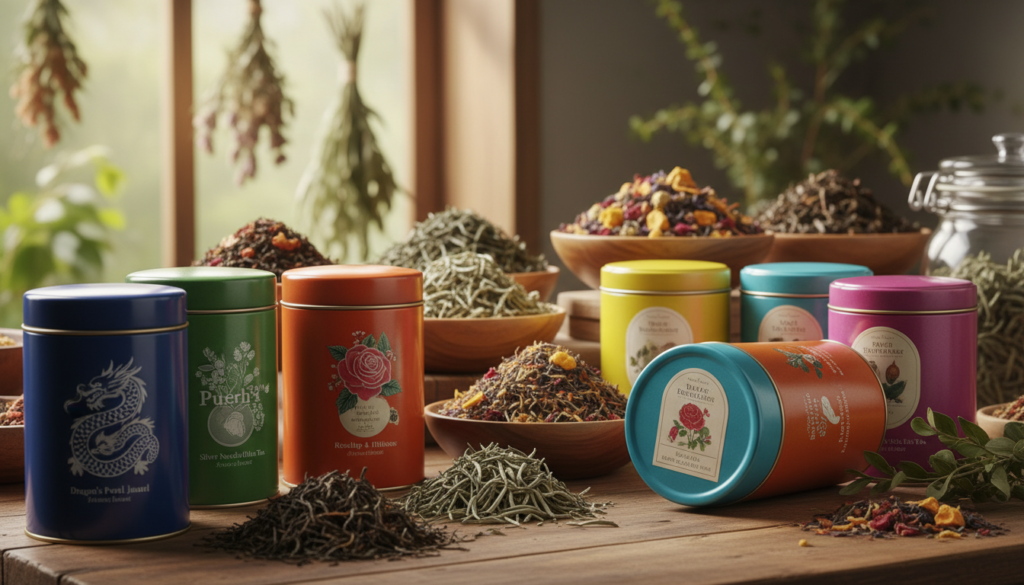
Recommended Brands for Every Budget and Taste
Whether you’re a budget-conscious tea drinker or willing to splurge on premium teas, there are many excellent loose leaf tea brands to choose from. Here are a few recommendations:
Budget-friendly options:
- Teavana
- Celestial Seasonings
- Harney & Sons
Premium brands:
- Adagio Teas
- The Tea Spot
- Numa Tea
These brands offer a range of teas, from classic black and green teas to more exotic and unique blends. When trying out a new brand, consider starting with a smaller sample size to ensure you enjoy the flavor and quality.
Where to Buy Loose Leaf Tea: Online vs In-Store Shopping
Loose leaf tea enthusiasts can choose between the convenience of online shopping and the personalized experience of local tea stores. Both options have their advantages, catering to different preferences and needs.
Best Online Loose Leaf Tea Retailers
Online retailers offer a vast selection of loose leaf teas from around the world. They provide detailed product descriptions, customer reviews, and the convenience of shopping from home. Some popular online stores specialize in loose leaf tea, offering a wide range of flavors and brands.
Key benefits of online shopping include:
- Convenience: Shop 24/7 from the comfort of your home.
- Wide selection: Access to a global market with a vast array of teas.
- Customer reviews: Read reviews from other customers to help make informed decisions.
The Advantages of Shopping at Local Tea Stores
Local tea stores offer a unique, personalized shopping experience. Customers can smell and taste teas before purchasing, receive expert advice from staff, and enjoy a cozy atmosphere. Supporting local businesses also contributes to the community’s economy.
Benefits of shopping in-store include:
- Personalized service: Expert staff can guide you through their selection.
- Sensory experience: Smell and taste teas before you buy.
- Community support: Your purchase supports local businesses and the local economy.
In conclusion, whether you prefer the convenience and vast selection of online retailers or the personalized experience of local tea stores, there’s a shopping method that suits your needs. Both options allow you to explore the world of loose leaf tea, enhancing your tea-drinking experience.
Is Loose Leaf Tea Really Worth the Investment?
As tea drinkers weigh their options, the question remains: does the unique experience of loose leaf tea justify its cost? The answer lies in understanding not just the price, but the value that loose leaf tea brings to the table.
Loose leaf tea is often perceived as more expensive than its tea bag counterparts. However, this perception doesn’t tell the whole story. The true cost of loose leaf tea is better understood when broken down to the cost per cup.
Breaking Down the Real Cost Per Cup
To accurately assess the cost-effectiveness of loose leaf tea, one must consider the amount of tea used per serving. Unlike tea bags, which are pre-portioned and often contain lower quality tea that requires more leaves to achieve flavor, loose leaf tea allows for a more precise measurement.
A typical serving of loose leaf tea uses between 1 to 2 teaspoons of leaves, depending on personal preference and the type of tea. This can result in a cost per cup that is competitive with, if not superior to, tea bags when considering the quality and flavor profile.
For example, a pound of high-quality loose leaf tea can yield approximately 150 to 200 cups, depending on the steeping method. In contrast, a box of 100 tea bags might contain lower quality tea and still cost nearly as much, if not more.
The Hidden Value That Goes Beyond Price
Beyond the monetary cost, loose leaf tea offers a range of benefits that enhance its overall value. The superior flavor and aroma, the ritualistic experience of brewing, and the environmental benefits all contribute to a more satisfying and sustainable tea-drinking experience.
The art of brewing loose leaf tea can be meditative, turning a daily routine into a moment of mindfulness. This intangible value adds a richness to the experience that goes beyond mere cost considerations.
Furthermore, the environmental impact of loose leaf tea is generally lower than that of tea bags, especially those that are not biodegradable. By choosing loose leaf tea, consumers can reduce their waste output and support more sustainable agricultural practices.
- Higher quality tea leaves
- Customizable brewing experience
- Environmental benefits
- Rich, nuanced flavors
In conclusion, while the initial cost of loose leaf tea may seem higher, its true value lies in its cost-effectiveness, quality, and the overall experience it provides. By understanding the real cost per cup and appreciating the hidden values, tea enthusiasts can make informed decisions that align with their preferences and values.
Making the Switch: Your Practical Guide to Going Loose Leaf
Switching to loose-leaf tea is simpler than you think, and it’s a decision you won’t regret. With a few basic tools and a willingness to experiment, you can elevate your tea-drinking experience.
Starting Your Loose Leaf Journey Without Overwhelm
To begin your loose-leaf tea journey, start with the essentials. You’ll need a tea infuser or a strainer to brew your tea leaves. Choose a high-quality loose-leaf tea that suits your taste preferences.
- Begin with popular varieties like Earl Grey or English Breakfast.
- Experiment with different tea types, such as green, white, or oolong tea.
- Pay attention to the tea’s origin and production methods.
Building Your Tea Collection Over Time
As you become more comfortable with loose-leaf tea, you can start building your tea collection. Consider the following tips:
- Store your tea in a cool, dry place to preserve its flavor and aroma.
- Invest in a variety of tea types to keep your tea experience interesting.
- Keep track of your favorite teas and revisit them to refine your preferences.
By following these steps, you’ll be well on your way to enjoying the rich world of loose-leaf tea.
Conclusion
As we’ve explored throughout this article, loose-leaf tea offers a multitude of benefits that can elevate your tea-drinking experience. From its superior flavor and aroma to its higher antioxidant content and environmental benefits, the advantages of choosing loose-leaf tea are clear.
By understanding the differences between loose-leaf tea and commercial tea products, you can make informed decisions about your tea choices. Whether you’re looking to enhance your health, explore new flavors, or simply enjoy a more sustainable beverage, loose-leaf tea is an excellent option.
In summary, the loose leaf tea conclusion is that it’s a superior choice for those seeking a more authentic and beneficial tea experience. The tea benefits are numerous, and the loose leaf tea summary is that it’s a worthwhile investment for your health and palate.